Posted on 5/29/2026
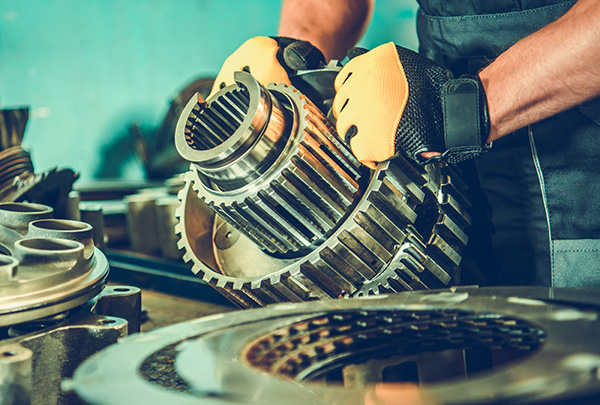
Transmission problems can feel confusing because they do not always start with a major failure. A slight delay when shifting, a small leak, or a faint burnt smell may seem like something the vehicle can live with for a little while. The car still moves, so the repair does not feel urgent yet. That delay is where transmission problems become expensive. A small repair can stay small only if the cause is found before heat, low fluid, or worn internal parts start affecting the rest of the system. Why Transmission Repairs Can Grow So Quickly A transmission depends on clean fluid, steady pressure, correct computer control, and precise internal movement. When one part starts slipping or falling behind, the rest of the transmission has to work harder to make up for it. That extra strain creates heat, and heat is one of the fastest ways to damage transmission parts. The tricky part is that many early symptoms come and go. One rough shift in the morning might disappear after ... read more
Posted on 4/30/2026
A check engine light can feel insulting when the car is driving fine. No loud noise, no smoke, no clear loss of power, just a warning on the dashboard that shows up and refuses to explain itself. That is usually what makes drivers wait. If nothing feels wrong, the problem cannot be that serious, right? Not always. Many check engine light problems begin before the driver feels much of anything. Why The Light Can Come On Before The Car Feels Different Modern vehicles watch far more than most drivers realize. The computer tracks fuel mixture, emissions performance, ignition activity, airflow, temperature, and sensor response every time the engine runs. If one reading drifts far enough out of range, the car stores a fault and turns on the light. That does not mean the engine is about to quit. It means the system caught something that isn't working the way it should. In many cases, the computer detects the problem before the driver does. Small Sensor Proble ... read more
Posted on 3/27/2026
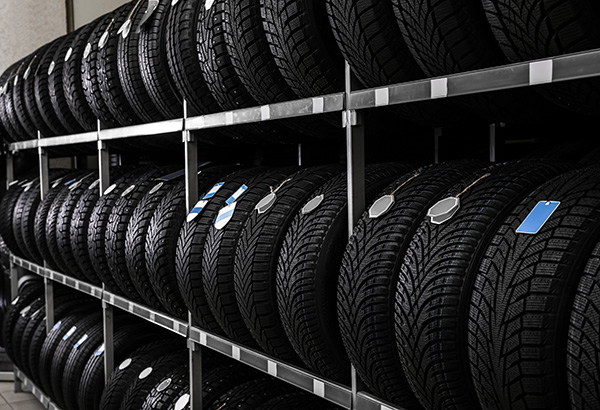
Buying tires used to be a simple decision, mostly because there were fewer choices and fewer places to buy. Now you can order a set in a few clicks, or walk into a shop and have someone help you compare options in person. Both can work out great, and both can turn into a headache if a few key details get missed. The trick is picking the route that fits your car and your schedule. How Online Tire Buying Works In Real Life Online tire shopping is usually a two-step process: you pick the tire, then you figure out who is mounting it. Some online sellers ship to your home, others ship directly to an installer, and some offer scheduling at checkout. The part that trips people up is that the purchase is only half the job, because installation and balancing matter just as much. We also see a lot of drivers get stuck on the size and speed rating details. A tire can be close to the correct size and still not be the right match for load rating, ride feel, or how the vehicle i ... read more
Posted on 2/27/2026
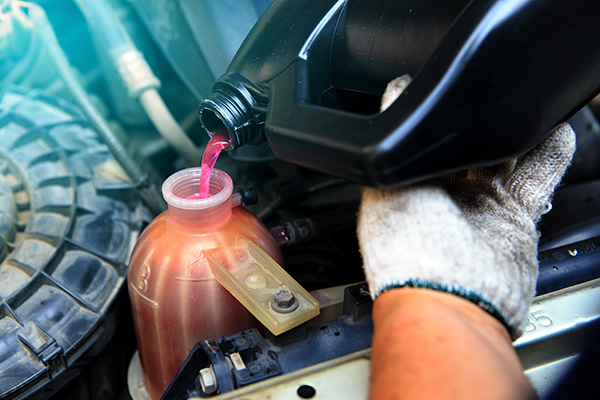
Modern vehicles use long-life coolant, so it is fair to wonder if a coolant flush is truly needed. The reservoir can look clean, the temperature gauge can sit right in the middle every day, and nothing feels wrong behind the wheel. However, cooling systems are still aging quietly in the background. Coolant is not only there to prevent freezing, but it also protects the inside of your engine and radiator from corrosion and buildup over time. What Coolant Actually Does In A Modern Engine Coolant carries heat out of the engine and into the radiator so the engine stays in a controlled temperature range. It also lubricates certain sealing surfaces, especially in the water pump area, and it contains additives that prevent rust and corrosion inside the system. Modern cooling systems use a mix of materials, including aluminum, plastic, and different types of seals. Those materials depend on the coolant’s additive package to stay protected. When the additives weaken ... read more
Posted on 1/30/2026

A humming or growling noise can drive you nuts because it’s hard to pinpoint from the driver’s seat. It might sound like it’s coming from the front, then you swear it’s the rear. It may get louder on certain roads, or it might change when you turn slightly. The good news is that those patterns usually mean something. If you pay attention to when the noise changes, you can often narrow the cause before it turns into a bigger issue. What That Humming Noise Usually Means Most humming and growling noises come from parts that rotate. Tires, wheel bearings, differentials, and even brake components can create that steady low tone. The sound often builds gradually, so drivers get used to it until it becomes impossible to ignore. One helpful clue is whether the noise changes with speed or with engine RPM. If it rises and falls with speed, it’s usually in the wheels, tires, or driveline. If it changes mostly with RPM while you’re sitting s ... read more